Omni-PI
A DIY AI chatbot built from off-the-shelf parts — Raspberry Pi 5, Whisplay HAT, PiSugar battery, and a 3D printed enclosure. Runs AI locally, respects your privacy, and works without relying on the cloud.
Electronics inside:
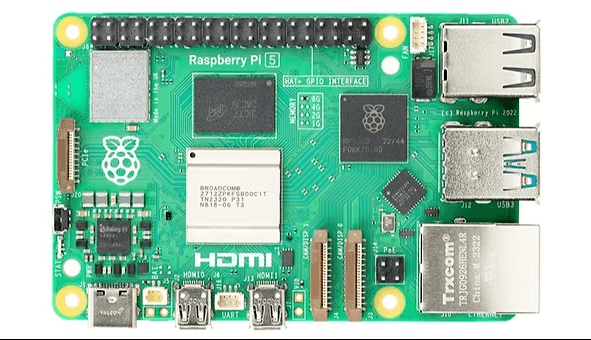
- Raspberry Pi 5 8GB — The brain of the chatbot, providing processing power for running the qwen3-vl:2b model.
- Whisplay AI HAT — Audio expansion board with integrated speakers, microphone, and screen.
- PiSugar 3 Plus (Battery/UPS) — Attaches to the bottom of the Pi 5 with a physical power button and a customizable button programmable from the PiSugar app.
- Raspberry Pi Camera Module 3 — Provides vision for vision tasks.
- High speed Micro SD Card — 32GB or larger needed to store the AI models.
Raspberry Pi 5 8GB
The brain of the chatbot. Provides the processing power for running the qwen3-vl:2b model.
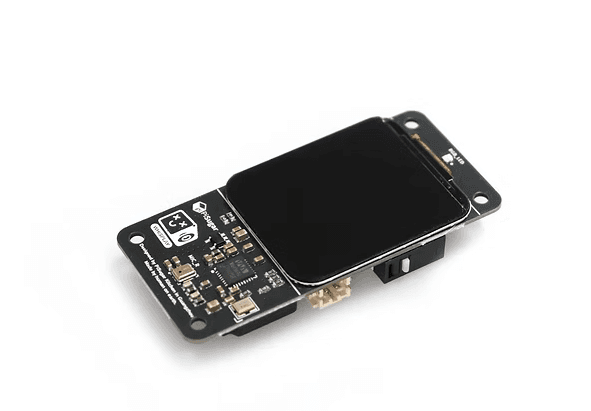
Whisplay AI HAT
Audio expansion board with integrated speakers, microphone, and screen.
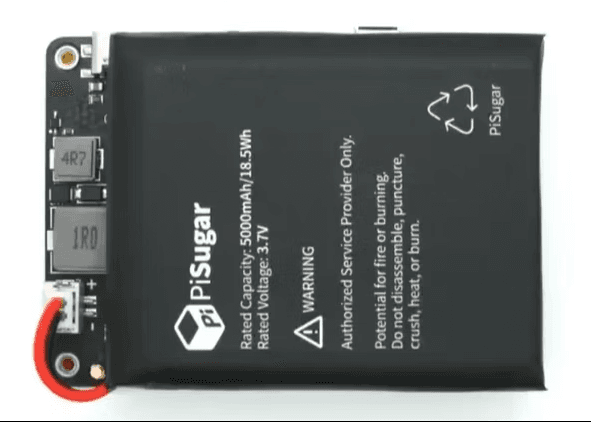
PiSugar 3 Plus (Battery/UPS)
Attaches to the bottom of the Raspberry Pi 5 to provide power with a physical power button and a customizable button you can program from the PiSugar app.
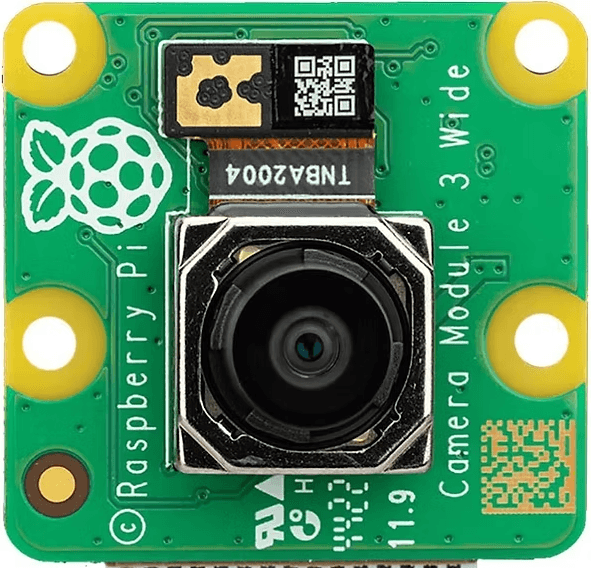
Raspberry Pi Camera Module 3
Provides vision for vision tasks.
3D printed Case Parts:
- Main Housing — Has an SD card cutout for easy access.
- Side Covers / Panels — Screwed in with M2×4 screws to keep the AI chatbot secure.
- Camera Front Plate and Back Plate — Camera Module 3 mounts to the face of the device for vision tasks.
- Button — Allows the case button to trigger the PiSugar Whisplay talk button.
Assembly Process:
The PiSugar 3 Plus sits at the bottom, the Pi 5 in the middle, and the Whisplay AI HAT on top. Even though the Whisplay sits over the fan, there is a gap designed so the Pi 5's active cooler remains functional.
The Camera Module 3 ribbon cable must be carefully routed into the main case body before the Pi AI chatbot is fully slid into place. The camera lens is screwed into the 3D printed front cover with M2×4 screws and secured with the back plate.
Once assembly is complete, flash the SD card with Raspberry Pi OS, then download all drivers for the Whisplay HAT from the AI Chatbot Whisplay Driver GitHub repository.
Software setup:
- Flash the SD card with Raspberry Pi OS and install the drivers.
- Open the PiSugar app on your phone and connect to the chatbot through Bluetooth.
- Enter your WiFi SSID and password through the app interface. The Pi will display its IP address, which you can use to SSH into the device using Termius (Username:
pi, Password:raspberry).
Local Vision Setup:
- Navigate to the chatbot folder and edit the
.envfile. - Uncomment
ENABLE_CAMERA=true. - Set
VISION_SERVER=ollama. - Run
ollama pull qwen3-vl:2bto download the vision-capable model.
AI capabilities & Models:
Option 1: Fully offline
- Model: Qwen3:1.7b — handles voice commands and tool calls like adjusting volume.
- Vision Model: Qwen3-vl:2b — describes photos taken with the Raspberry Pi Camera Module 3.
Option 2: Local Network Acceleration
- Run Ollama on a powerful computer (Mac or PC) on the same network as the Pi chatbot.
- Change OLLAMA_HOST in the Pi's .env file to that computer's IP address.
- Vision processing drops from ~2 minutes to ~5 seconds.
Option 3: Google Cloud integration
- Model: Gemini 3 Pro.
- Pay for API keys and paste them in the .env file to use Google's servers.
- Response time drops to ~2 seconds for voice recognition and output.
- Costs ~$20/month.
Power consumption and CPU Temps:
Average power consumption was at 5V and increased when running higher-memory models. The Pi's CPU heated to 50°C while idling and throttled to 65°C when running the AI model.
Why I built it:
This project shows how a few basic components from an electronics store — a Raspberry Pi 5, a Whisplay AI HAT, and a PiSugar 3 — can become a fully functional chatbot. It helps people in areas without reliable WiFi run AI models at home without needing constant internet access. It also respects your privacy by running AI locally, so major tech companies aren't collecting your data to train their models. Great for tech hobbyists or anyone who wants to stop their data from being harvested by big tech.